How to Prevent Dementia: 5 Essential Habits for Brain Health
Neurologist Oleg Taneev outlines key lifestyle changes, including physical activity and social engagement, to reduce the risk of cognitive decline.
 🩺Health
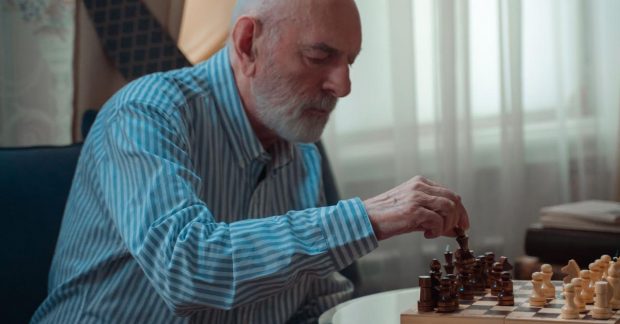
Photo: UNIAN
Key points
- At least 150 minutes of moderate exercise weekly.
- Management of blood pressure, sugar, and cholesterol.
- Adherence to a Mediterranean-style diet.
- Continuous learning and active social life.
- Timely correction of hearing and vision issues.
Dementia is not an inevitable consequence of aging; cognitive health largely depends on an individual's daily habits. Neurologist Oleg Taneev emphasizes that while genetics and age play a role, there are proven ways to mitigate risks. For the residents of Korosten, where active longevity is becoming increasingly relevant, understanding these mechanisms is crucial for maintaining quality of life in older age.
Physical Activity and Health Monitoring
The foundation of brain health is proper blood supply. The doctor recommends dedicating at least 150 minutes per week to moderate physical activity. This can include walking in city parks, Nordic walking, swimming, or cycling. Such movement improves vascular health and metabolism, directly benefiting neuronal function.
In addition to staying active, it is essential to manage chronic conditions. Hypertension, diabetes, high cholesterol, and obesity are risk factors not only for the heart but also for the brain. Regular monitoring of blood pressure and glucose levels, along with quitting smoking, are mandatory steps in preventing cognitive impairment.
Nutrition and Intellectual Engagement
A healthy diet should be based on Mediterranean principles. Oleg Taneev advises consuming more vegetables, fruits, legumes, nuts, and fish. It is vital to limit sugar, salt, and ultra-processed foods. This approach provides the body with essential micronutrients and reduces inflammation in the blood vessels.
The brain requires constant training. Reading, learning languages, playing board games, or picking up a new hobby helps create new neural connections. Equally important is face-to-face social interaction. According to the specialist, social isolation significantly increases the risk of memory degradation, so participating in community life or volunteering has a therapeutic effect.
"No single habit provides a 100% guarantee against dementia, but lifestyle changes help reduce the risk of general cognitive decline," notes Oleg Taneev.
Special attention should be paid to sleep quality and sensory health. Snoring or sleep apnea requires medical consultation. It is also critical to correct vision and hearing impairments promptly. Using hearing aids helps individuals remain socially integrated, acting as a natural barrier against dementia. The neurologist warns against self-medicating with memory-enhancing supplements without a prescription, as their effectiveness is often unproven.
Source UNIAN — unian.ua/health/demenciya-yaki-zvichki-dopomozhut-zniziti-rizik-zah… ↗
Read next
 🛡️Security
Power restored in Rivne region following enemy attack
After a massive blackout caused by a Russian strike on November 20, electricity has been restored to the Sarny district in the Rivne region.
 🎭Culture & Sport
Autumn Rose Care: Expert Tips for Korosten Gardeners
Experts explain why it is better to delay radical rose pruning until after the first steady frosts.
 🏛️Politics
Estonia Supports Ukraine After Strike on Russian Ship in Gulf of Finland
Estonia has expressed support for Ukraine after a strike on a Russian ship in the Gulf of Finland, calling it an act of self-defense against Russian aggression.
 🛡️Security
Rescue operation in Dymer: elderly woman pulled from the rubble
Search operations continue in the Kyiv region following a hostile drone strike on a residential building. Rescuers managed to save an 89-year-old woman, while the death t…
 🛡️Security
Russian corvette 'Merkury' reportedly damaged by Ukrainian drones in Libya
An explosion occurred on a Russian military ship in the port of Benghazi, which, according to Associated Press, may have been caused by an attack by Ukrainian maritime dr…
 🏛️Politics
Russia tests NATO defense algorithms through border provocations, expert says
Retired Ukrainian Colonel Dmytro Kashchenko stated that violating NATO airspace is a calculated Russian strategy to test the readiness of Western air defense systems.